Monday, September 13, 2010

4 WATER-SAVING TIPS FOR YOU AND YOUR GARDEN...

Did you know that during summer months, Americans use twice as much water as they do during other times of the year? And by some estimates, outdoor watering accounts for 50 to 70 percent of average household use! It might seem like the only way to get a beautiful yard during the warmer months is frequent watering. But, there are many steps you can take towards creating an eye-catching and healthy garden while also being water-conscious. By combining conservation practices with efficient landscape design, you can lower your water bill, lessen the amount of required maintenance and create a healthy, vibrant habitat. And we’ve got a few helpful tips to bring your yard to life while saving you natural resources, time and money!
1.Garden design: Group plants with similar moisture requirements close together, matching them with appropriate yard conditions—sunny, shady, damp, dry. This allows you to target watering only on the vegetation that needs it.
2.Plant selection: Focus on plants that are native to your area. They survive with natural rainfall, are resistant to local plant diseases and pests, and provide the best overall food sources for birds and other animals.
3.Efficient irrigation: Water infrequently, deeply and thoroughly. This prevents runoff and encourages deeper root growth. Plants with deep roots develop greater resistance to dry spells.
4.Maintenance: Apply mulch, such as bark or leaves, to planting beds. This helps soil retain moisture, discourages weeds and provides plants with essential nutrients.

Labels: ,

Friday, November 27, 2009

MORE THINGS YOU SHOULD KNOW...

8. There are more dogs than people in Paris City.
9. Cow is the only mammal that pees backwards.
10. Lizards can communicate by doing push-ups.
11. Birds never sleep in their nests.
12. An octopus will eat its own arms if it gets really hungry.
13. Rabbit can die if they are too afraid of something.
14. Snails can sleep up to four years.
15. If you hold kangaroo’s tail, it can’t jump because kangaroo uses tail as balance.
16. If you make a camel angry, it will spit at you.
I HOPE THIS INFORMATION IS USEFUL.

Labels: , ,

Monday, October 26, 2009

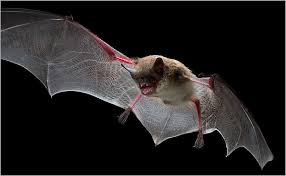
TIPS ON FASCINATING FACTS ABOUT BATS

Did you know that bats help control pests? In fact, some species feast on as many as 1,000 mosquitoes an hour while others dine on thousands of pest beetles and moths a night.
Here are some other fascinating facts about bats:

1.There are more than 1,000 species of bats in the world. All of these bats make up about a quarter of all mammals in existence.
2.Bats help many plants: Hundreds of plant species rely on the pollinating and seed dispersal services of bats including bananas, avocados and mangos.
3.Bats are the most diverse group of mammals: The smallest weighs less than a penny and the largest has a wingspan of up to six feet!
4.Bats are the only mammal that can truly fly.

Labels: , ,

Wednesday, October 07, 2009

HOT WHETHER SAFETY TIPS FOR DOGS KEEPERS

1.Outdoor pets often suffer from extreme hot weather, especially when they do not have adequate fresh, cool water or ample shade/shelter from the blazing sun. Bring animals inside during hot weathe.
2.Avoid chaining or tethering a dog in the yard. He/she may get twisted and become unable to reach shade or water, or may knock over his/her water dish.

3.Hydration is critical to help your pet regulate his/her body temperature. Be sure that pets have access to plenty of fresh, cool water at all times - indoors and out.
4.In homes without air conditioning, use fans to keep air circulating or keep the animal in a cooler area of the house, such as the basement, during the heat of the day.


5.Pets should avoid exercise or vigorous activity during the heat of the day. Instead, take walks in the early morning or cooler evening hours. Avoid hot concrete or asphalt surfaces as they may cause damage or discomfort to the animal’s paw pads.
6.Small dogs, and those with short noses such as pugs and bulldogs, are especially susceptible to heatstroke. However, it is a concern for all pets during hot weather.


7.Do not leave animals in parked cars. Even on a relatively mild 85-degree day in the shade, with the windows cracked, the temperature inside the car will reach 120 degrees in minutes. A dog or cat’s body temperature is approximately 101 - 102 degrees. He/she can only withstand the heat a short time before it becomes a life or death situation.

Labels: , ,

Monday, September 14, 2009

HEAT STRESS AS IT AFFECETS WILDLIFE

Itook a trip to Dubai on my way from Uganda tororo in east Africa and i could only imagine how hot this places are but at night, tororo has certain cooling effect so i wondered how wildlife would survive in places like this. Do you know that east africa has alot of these wildlife? well,It is well documented that the stress of hot environments lowers productive and reproductive efficiency in farm animals. Likewise, research information is available to aid in the management of livestock in such adverse conditions. However, practical methods to achieve the desired levels of productive and reproductive performance are lacking. Summer forages that will support a high level of productivity in subtropic and tropic regions are needed for ruminants. More critical information is needed on the total dietary needs of all farm animals in hot environments. Dietary emphasis should be to increase intake or to alter levels of proteins, amino acids or other nutrients to improve the conversion of feed units into production units. Increasing nutrient intake to support a higher level of production will render animals more sensitive, in terms of productive efficiency, to environmental modifications that improve comfort. This should be especially pertinent in the humid Southeast and other regions where production responses to environmental modifications have been variable. There is limited information on the effect of the night cooling cycle on productive efficiency and on the effect of severe heat stress on reproductive phenomena not related to conception.

Labels: , ,